
Spinal Decompression Surgeries – Advanced Spine Treatment in Rohini by Dr. Mayukh Mukherjee
Introduction
Spinal Decompression Surgery is a highly specialized procedure performed to relieve pressure on the spinal cord or spinal nerves caused by narrowing of the spinal canal, disc prolapse, bone overgrowth, or other structural abnormalities of the spine. When nerves remain compressed for a long period, patients may experience severe back pain, neck pain, numbness, tingling, muscle weakness, burning sensation, radiating pain in the arms or legs, and difficulty in walking or maintaining balance. In many cases, these symptoms gradually worsen and begin affecting routine life, sleep, and physical activity. Under the expert supervision of Dr. Mayukh Mukherjee, patients searching for Spinal Decompression Surgery in Rohini, advanced spine treatment in Rohini, nerve compression surgery in Rohini, and best spine surgeon in Rohini receive complete spinal assessment and treatment planning according to the exact level of compression. Spinal decompression procedures are designed to remove the structures causing nerve pressure, restore normal nerve space, and improve spinal function. Depending on the condition, decompression may involve disc removal, bone trimming, ligament release, or widening of the spinal canal. With modern surgical techniques, spinal decompression offers significant relief from chronic pain and helps patients regain mobility, comfort, and confidence in daily movement.
Causes
Spinal decompression surgery is usually required when there is persistent pressure on spinal nerves or the spinal cord that does not improve with medication, physiotherapy, injections, or lifestyle modification. One of the most common causes is spinal stenosis, where the spinal canal becomes narrow due to age-related degeneration and bone thickening. Herniated disc or slipped disc is another major cause, where disc material presses directly on nearby nerves and causes severe radiating pain. Degenerative disc disease, ligament thickening, osteophyte formation, spinal arthritis, vertebral instability, scoliosis, trauma, fractures, and previous spinal degeneration can also lead to nerve compression. In cervical spine cases, patients may experience neck pain with arm numbness, while lumbar compression often causes lower back pain, sciatica, leg weakness, and difficulty standing for long periods. Thoracic compression may affect posture and walking balance. Dr. Mayukh Mukherjee carefully evaluates each patient using MRI, CT scan, neurological examination, and clinical assessment before recommending spinal decompression treatment in Rohini so that the exact source of compression is treated safely and effectively.
Treatment
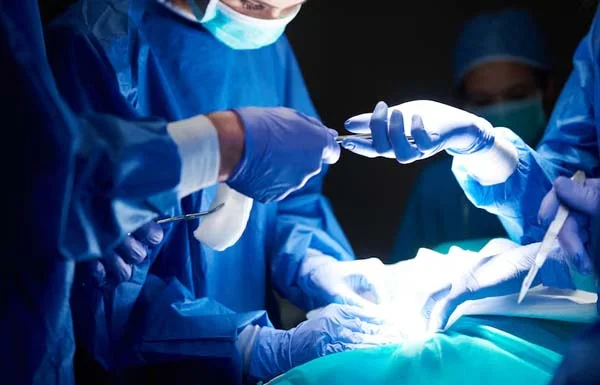
The treatment approach for spinal decompression surgery depends on the spinal level involved, severity of compression, and overall health of the patient. Surgical methods may include laminectomy, laminotomy, discectomy, foraminotomy, or minimally invasive decompression procedures. In laminectomy, a portion of the vertebral bone is removed to enlarge the spinal canal and reduce pressure on the spinal cord. In discectomy, damaged disc material pressing on the nerve is removed. Foraminotomy widens the opening through which spinal nerves exit the vertebrae. In many cases, minimally invasive spinal decompression is preferred because it uses smaller incisions and causes less tissue damage. Under the expertise of Dr. Mayukh Mukherjee, patients looking for advanced spinal decompression surgery in Rohini, lumbar decompression surgery in Rohini, or cervical nerve decompression in Rohini receive highly precise surgical care with focus on preserving spinal stability while relieving nerve pressure. Post-surgery rehabilitation often includes physiotherapy, posture correction, strengthening exercises, and gradual return to daily activities for long-term spinal health.
Benefits of Treatment
Spinal decompression surgery offers major benefits for patients suffering from chronic nerve-related pain and restricted movement. One of the primary benefits is immediate reduction in pressure on spinal nerves, which often leads to significant pain relief in the back, neck, arms, or legs. Patients treated by Dr. Mayukh Mukherjee for best spinal decompression surgery in Rohini frequently experience improved walking ability, reduced numbness, better muscle strength, and improved body balance after treatment. Surgery also helps prevent permanent nerve damage when compression has been present for a long duration. Another major advantage is improved quality of life, as patients are able to sleep better, sit comfortably, stand longer, and return to work or physical activity with greater ease. Modern decompression techniques also reduce hospital stay, lower complication risk, and improve recovery speed. In many cases, patients who had severe pain for months or years experience long-term relief and significant improvement in spinal function after successful decompression surgery.
FAQs
1. Who needs spinal decompression surgery?
Spinal decompression surgery is recommended for patients who have severe nerve compression, spinal stenosis, slipped disc, or chronic pain that does not improve with medication, physiotherapy, or injections. Surgery becomes necessary when symptoms such as weakness, numbness, walking difficulty, or radiating pain begin interfering with daily life.
2. Is spinal decompression surgery only for lower back pain?
No, spinal decompression can be performed in the cervical, thoracic, or lumbar spine depending on where nerve compression exists. Cervical decompression treats neck-related nerve pressure, thoracic decompression addresses mid-back problems, and lumbar decompression commonly treats lower back pain and sciatica.
3. How long does recovery take after spinal decompression surgery?
Recovery varies depending on the type of decompression performed and the patient’s spinal condition. Many patients start walking within a short time after surgery, but complete healing may require several weeks along with physiotherapy and spinal care guidance.
4. Can spinal decompression surgery permanently remove nerve pain?
In many cases, surgery provides long-term relief by removing the actual source of nerve pressure. However, maintaining spinal health through posture correction, exercise, and follow-up care is important for lasting results and prevention of future spinal problems.
5. Where can I get advanced spinal decompression surgery in Rohini?
Patients searching for best spine specialist in Rohini, nerve compression surgery doctor in Rohini, lumbar decompression expert in Rohini, and advanced spine care in Rohini can consult Dr. Mayukh Mukherjee for detailed diagnosis, expert surgical planning, and modern decompression treatment tailored to their spinal condition.