
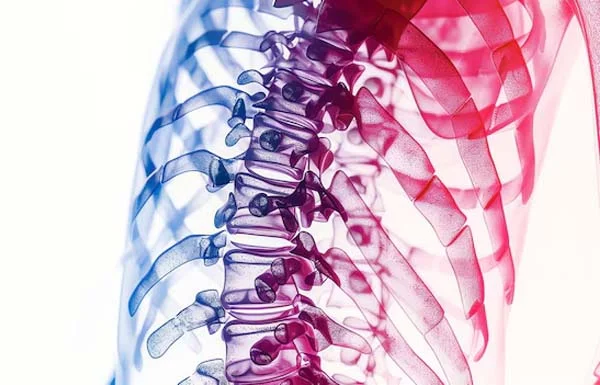
Spinal Fixation & Fusion – Advanced Spine Stabilization Treatment in Rohini by Dr. Mayukh Mukherjee
Introduction
Spinal Fixation and Fusion is an advanced surgical procedure performed to stabilize the spine when there is abnormal movement between vertebrae, structural weakness, deformity, fracture, or severe degeneration affecting spinal balance and nerve function. The spine normally provides both strength and flexibility, but when vertebrae become unstable because of injury, degeneration, infection, deformity, or disc damage, patients may suffer from severe back pain, persistent nerve compression, weakness, posture problems, and restricted movement. In spinal fixation, specialized implants such as screws, rods, cages, or plates are used to hold the affected vertebrae in proper alignment, while spinal fusion permanently joins two or more vertebrae using bone graft material to create long-term stability. Under the expert care of Dr. Mayukh Mukherjee, patients searching for Spinal Fixation & Fusion in Rohini, advanced spine stabilization surgery in Rohini, best spine surgeon in Rohini, and vertebral fusion treatment in Rohini receive detailed spinal assessment and customized treatment according to the exact spinal condition. This surgery is commonly recommended when spinal instability begins affecting daily life, mobility, or nerve function, and modern surgical techniques now allow highly precise correction with improved long-term spinal support.
Causes
Spinal fixation and fusion may become necessary when the spine loses its natural stability due to several medical conditions or injuries. One of the most common causes is degenerative disc disease, where discs lose height and strength over time, leading to vertebral instability and chronic pain. Slipped disc, spinal fractures, vertebral collapse, scoliosis, spondylolisthesis, spinal infections, tumors, and repeated spinal degeneration can also create instability requiring surgical fixation. In some cases, severe spinal stenosis or repeated nerve compression causes weakness in spinal support structures, making fusion necessary after decompression surgery. Trauma from accidents, heavy falls, or sports injuries may damage spinal alignment and require immediate stabilization. Patients with chronic lower back pain, neck instability, deformity, or nerve weakness often notice increasing difficulty while standing, bending, walking, or carrying weight. Dr. Mayukh Mukherjee performs careful evaluation using MRI, CT scan, X-rays, and spinal alignment studies before recommending spinal fixation surgery in Rohini so that the exact unstable spinal level can be corrected safely and effectively.
Treatment
The treatment process for spinal fixation and fusion begins with identifying the unstable spinal segment and selecting the most appropriate surgical method depending on whether the cervical, thoracic, or lumbar spine is involved. During spinal fixation, metallic implants such as pedicle screws, rods, plates, or cages are inserted to secure the vertebrae and restore proper alignment. Bone graft material is then placed between the affected vertebrae to promote fusion, allowing the bones to gradually unite into a single stable structure over time. In some cases, minimally invasive fixation techniques are used to reduce tissue damage and improve recovery speed. Under the surgical expertise of Dr. Mayukh Mukherjee, patients seeking advanced spinal fusion surgery in Rohini, lumbar fixation surgery in Rohini, cervical fusion specialist in Rohini, and best vertebral stabilization treatment in Rohini receive modern precision-based spinal care designed to protect nerves while restoring spinal strength. After surgery, patients may require physiotherapy, posture correction, movement training, and follow-up imaging to ensure successful fusion and long-term stability.
Benefits of Treatment
Spinal fixation and fusion provide major long-term benefits for patients suffering from spinal instability, deformity, or chronic mechanical pain. One of the primary advantages is strong spinal stabilization, which reduces abnormal vertebral movement and significantly decreases pain caused by instability. Patients treated by Dr. Mayukh Mukherjee for the best spinal fusion treatment in Rohini often experience improved posture, better spinal balance, and greater confidence in movement after healing. The surgery also protects spinal nerves by preventing further collapse or displacement of vertebrae. In cases involving fractures or deformities, fixation restores proper spinal alignment and helps maintain body structure. Another major benefit is prevention of further spinal damage, which can otherwise lead to worsening nerve compression or progressive disability. Modern fixation systems also allow precise correction with durable support, and many patients return to daily activities with significantly improved comfort and function after recovery. For patients with severe spinal weakness, this treatment often provides lasting mechanical strength and long-term quality of life.
FAQs
1. When is spinal fixation and fusion required?
Spinal fixation and fusion are usually recommended when vertebrae become unstable because of degeneration, fracture, slipped vertebrae, deformity, or severe disc damage. It is often advised when pain persists despite non-surgical treatment and when spinal instability begins affecting movement, posture, or nerve function.
2. Is spinal fusion a permanent procedure?
Yes, spinal fusion is designed to permanently join two or more vertebrae so that they move as one stable unit. This permanent stabilization helps reduce pain caused by abnormal spinal movement and prevents future instability at the treated segment.
3. Will spinal implants remain inside the body permanently?
In most cases, the screws, rods, plates, or cages used during spinal fixation remain inside the body permanently unless there is a rare reason to remove them later. These implants are specially designed to provide durable support while fusion develops.
4. How long does recovery take after spinal fixation surgery?
Recovery depends on the spinal level treated, the extent of surgery, and the patient’s overall health. Initial healing may take a few weeks, but full fusion usually develops gradually over several months with physiotherapy and proper spinal care.
5. Where can I consult for spinal fixation and fusion in Rohini?
Patients searching for the best spine surgeon in Rohini, vertebral fixation specialist in Rohini, advanced spinal fusion doctor in Rohini, and spinal stabilization treatment in Rohini can consult Dr. Mayukh Mukherjee for advanced diagnosis, surgical planning, and personalized long-term spine care.