
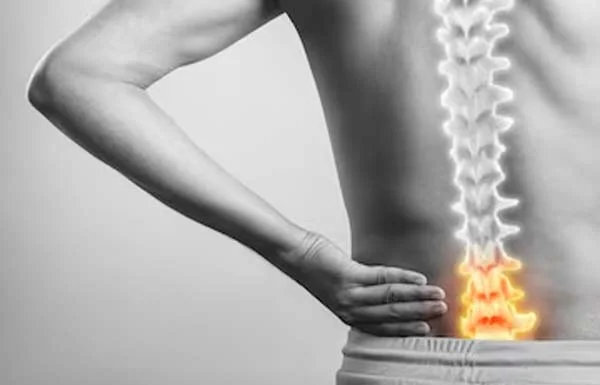
Traumatic Spine Injury Management – Advanced Spine Trauma Care in Rohini by Dr. Mayukh Mukherjee
Introduction
Traumatic Spine Injury Management involves urgent and highly specialized medical and surgical care for injuries affecting the spinal column, spinal cord, vertebrae, discs, ligaments, and surrounding nerve structures after trauma. Spine injuries are considered serious because even a small displacement in the vertebrae can lead to severe pain, instability, nerve damage, weakness, numbness, loss of movement, or in severe cases paralysis if immediate treatment is delayed. Traumatic spinal injuries commonly affect the cervical, thoracic, or lumbar regions depending on the force and mechanism of injury. Patients may experience sudden back pain, inability to stand, restricted movement, limb weakness, altered sensation, or loss of bladder and bowel control depending on the severity of damage. Under the expert care of Dr. Mayukh Mukherjee, patients searching for Traumatic Spine Injury Management in Rohini, spine trauma treatment in Rohini, emergency spine injury specialist in Rohini, and best spine surgeon in Rohini receive rapid diagnosis and evidence-based treatment focused on protecting neurological function and restoring spinal stability. Timely intervention is critical because early management can significantly improve recovery and reduce the risk of permanent complications. Modern spine trauma care now combines advanced imaging, precise stabilization techniques, and rehabilitation planning for long-term spinal recovery.
Causes
Traumatic spine injuries usually occur when sudden external force damages the vertebrae, spinal ligaments, discs, or spinal cord. Road traffic accidents are among the most common causes, especially high-impact collisions involving sudden neck flexion, direct back trauma, or body twisting. Falls from height, sports injuries, industrial accidents, heavy object impact, and physical assault can also cause serious spinal trauma. In elderly individuals, even relatively minor falls may result in vertebral fractures because of reduced bone strength. Trauma may lead to vertebral fracture, dislocation, ligament tear, spinal cord compression, disc rupture, or instability in one or more spinal segments. Cervical spine trauma often causes neck pain, arm weakness, and neurological symptoms, while thoracic and lumbar injuries may affect posture, lower limb movement, and walking ability. Some patients develop delayed neurological symptoms after injury because swelling or bleeding gradually increases pressure on the spinal cord. Dr. Mayukh Mukherjee carefully evaluates trauma cases using emergency neurological assessment, X-rays, MRI, CT scan, and spinal alignment studies before deciding the most appropriate spine trauma treatment in Rohini for safe stabilization and nerve protection.
Treatment
Treatment for traumatic spine injury depends on the severity of injury, spinal level involved, neurological status, and degree of vertebral instability. In mild injuries without major displacement, treatment may involve immobilization using cervical collars, braces, pain management, restricted movement, and close monitoring. However, unstable fractures, spinal dislocations, spinal cord compression, or progressive neurological weakness often require urgent surgery. Surgical treatment may include spinal decompression, fracture fixation, vertebral stabilization, instrumentation with screws and rods, spinal fusion, or correction of displaced vertebrae. In cervical trauma, special care is required to protect breathing and upper spinal cord function. Thoracic and lumbar injuries often require fixation to restore body balance and protect lower limb nerve pathways. Under the expertise of Dr. Mayukh Mukherjee, patients looking for advanced traumatic spine surgery in Rohini, vertebral fracture treatment in Rohini, and spinal stabilization after injury in Rohini receive highly individualized treatment aimed at preserving nerve function and achieving strong spinal recovery. Rehabilitation, physiotherapy, muscle strengthening, and posture training are important parts of long-term management after the acute phase.
Benefits of Treatment
Proper traumatic spine injury management provides major benefits by preventing worsening of spinal damage and improving long-term neurological recovery. One of the most important benefits is early stabilization of the injured spine, which protects the spinal cord and nerves from additional injury during movement or delayed displacement. Patients treated by Dr. Mayukh Mukherjee for best spine trauma treatment in Rohini often experience improved pain control, better vertebral alignment, and reduced risk of permanent disability. Surgical stabilization also helps patients begin mobilization earlier, which is important for preventing muscle weakness, bed-related complications, and long recovery delays. In cases with nerve compression, decompression surgery may improve limb strength, sensation, and body control. Another major benefit is long-term spinal stability, allowing patients to regain confidence in standing, walking, and daily movement after healing. Modern trauma care also reduces complications such as deformity, chronic instability, and progressive neurological decline. For many patients, early expert intervention makes a major difference in preserving both mobility and quality of life.
FAQs
1. When should a traumatic spine injury be treated urgently?
Any spine injury associated with severe pain, inability to move, weakness, numbness, loss of sensation, neck stiffness, or difficulty standing should be treated immediately. Delayed treatment can increase the risk of spinal cord injury or permanent neurological damage.
2. Can all traumatic spine injuries be treated without surgery?
Not all cases require surgery. Mild stable fractures may be treated with braces and observation, but unstable fractures, spinal displacement, spinal cord compression, or worsening weakness usually require surgical stabilization for safe recovery.
3. How is spinal cord damage assessed after trauma?
Spinal cord involvement is assessed through neurological examination, MRI, CT scan, reflex testing, muscle power evaluation, and sensory examination. These tests help determine the severity of injury and guide treatment decisions.
4. How long does recovery take after traumatic spine surgery?
Recovery depends on the severity of injury, spinal level involved, and neurological status. Some patients recover basic mobility within weeks, while more severe injuries may require prolonged rehabilitation and physiotherapy over several months.
5. Where can I get expert traumatic spine injury management in Rohini?
Patients searching for best spine trauma specialist in Rohini, emergency spine surgeon in Rohini, vertebral injury doctor in Rohini, and advanced spine injury care in Rohini can consult Dr. Mayukh Mukherjee for urgent spinal evaluation, advanced stabilization, and complete rehabilitation-focused treatment.